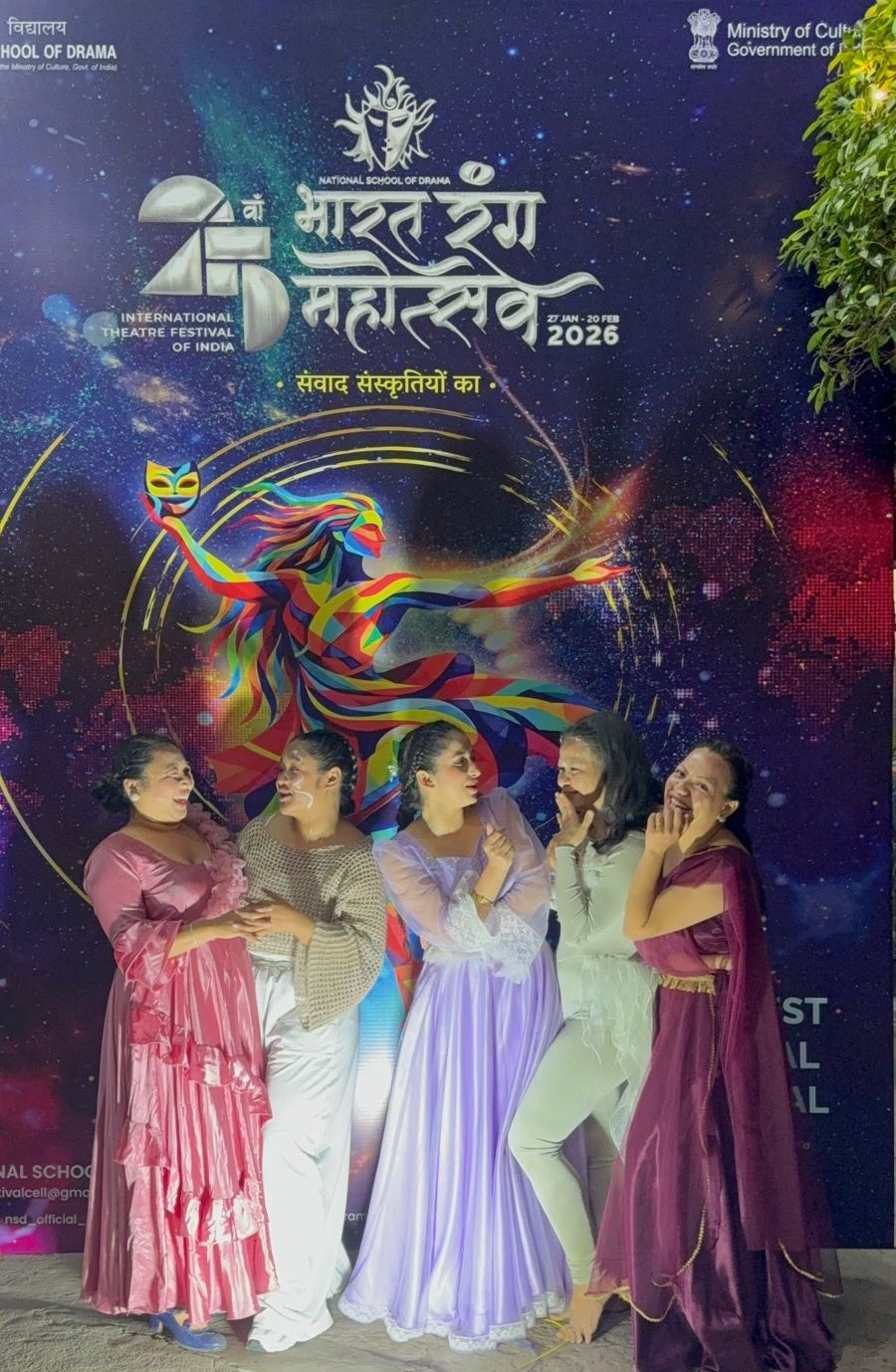
After its powerful participation in the 25th Bharat Rang Mahotsav (BRM) 2026, the world’s largest international theatre festival organized by the National School of Drama, Mokshada returns to Kathmandu for a special staging at Mandala Theatre. Originally premiered in 2019 at the Nepal International Theatre Festival, the musical dance drama was recently showcased in New Delhi (Abhimanch Auditorium) and Patna as part of BRM 2026. The performances received wide appreciation from theatre practitioners, critics, and audiences for their visual composition, musical depth, and evocative storytelling. The successful presentation at BRM not only marked an important international milestone for the production but also highlighted the growing presence of contemporary Nepali theatre on global platforms.
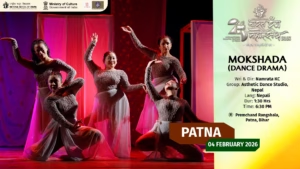
‘Mokshada’ is a dance drama based on mythical stories of Panchakanyas, also known as the Five Virgins. Panchakanya is a group of five iconic heroines of Hindu epics, extolled in a hymn and whose names are believed to dispel sin when recited. They are Ahalya, Draupadi, Kunti, Tara and Mandodari. Among these five, Ahalya, Tara, and Mandodari are from the epic Ramayana; while Kunti and Draupadi are from the Mahabharata. The Panchakanya are venerated as ideal women and chaste wives in one view.
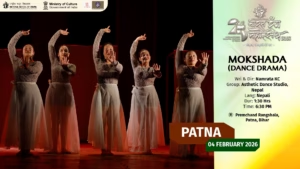
Mokshada is a contemporary interpretation of these five characters. These five women, celebrated in Hindu mythology as embodiments of purity and devotion, also endure profound trials of injustice, exile, and humiliation. The performance reimagines their stories from a feminist perspective, giving voice to their silent suffering and inner strength. Through a fusion of global dance forms and Nepali ethnic rituals as aesthetics, Mokshada explores themes of chastity, resilience, and liberation, reflecting on how patriarchal systems continue to define and confine women. The play journeys through their pain and defiance, ultimately portraying moksha — spiritual freedom — as an act of self-realization and courage. It is both a tribute to mythic womanhood and a call for gender awakening in contemporary society.